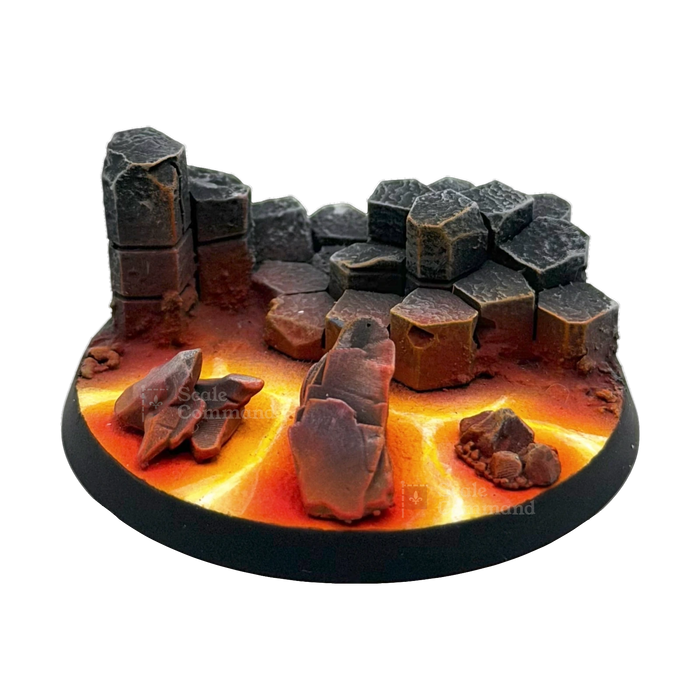


What colour should base rims be? Black, brown or matched to the ground
Black is the safe default for base rims: it frames the model, hides chips and goes with any ground. Brown, or a colour matched to the ground, blends the model into the table instead, so choose by the look you want and then use the same rim colour on every base in the army.

Updated 5 min read28mm

On this page
Black is the safe default for base rims: it frames the model, hides chips and goes with any ground. Brown, or a colour matched to the ground, blends the model into the table instead, so choose by the look you want and then use the same rim colour on every base in the army. Here's how the three choices compare, what makes a model stand out from its base, and how to paint a neat rim.
- Safe default
- Black
- Blends in
- Brown or the ground colour
- The one rule
- Same rim on every base in the army
- When
- Last, after the ground, varnish and tufts
What colour should base rims be?
There's no wrong answer, but each choice does a different job:
| Rim colour | What it does | Best for | Watch out for |
|---|---|---|---|
| Black | Frames the base like a picture frame; makes the colours above it look brighter | Any army, display pieces, mixed themes in one collection | Can look heavy on very pale ground, like snow or white sand |
| Brown | Reads as earth, so the edge fades into the table | Historical armies, grass and earth bases, green or brown gaming mats | A brown that's too warm or too bright looks like a stripe of paint |
| Matched to the ground | Carries the ground colour down the side, so the base looks like a slice of the terrain | Desert, snow and lava themes, multi-base stands | Shows every chip and scuff, and ties the army to one terrain |
| Grey or green | A cooler neutral: grey for stone and urban bases, dark green for grass | Ruins, city fights, grassland armies | Grey can look unfinished if it's close to primer grey |
Whatever you choose, the rule that matters more than the colour is consistency. A unit with matching rims reads as one block from across the table, even before every figure is finished.
Why are so many base rims black?
Black works with everything. It doesn't fight the colours on the base or the model, a chipped black rim can be touched up in seconds, and a dark edge gives the eye a clear line where the model ends. It's also what you'll see on our own painted bases, whatever the theme: red desert earth, purple crystal ground, grey ruins or glowing lava.


The one place black can jar is on very pale ground. On snow or bleached sand, a hard black band under the base can look like a hole in the table; a grey, a pale brown or the ground colour itself sits better there.
Brown or matched to the ground?
Brown is the choice for armies that should melt into the battlefield. On a green or brown mat, a mid brown rim disappears and the eye goes straight to the figures. It's common on historical armies, where the look aims at a real landscape rather than a display piece. Pick a muted, slightly dark brown rather than a bright chocolate, so it reads as shadowed earth.
Matching the rim to the ground goes one step further: the rim is painted the same colour as the base top, so the base looks like a block of terrain cut out of the ground. It suits strong-coloured themes, like a desert army on orange sand or a lava base, and it's popular on 10mm and 15mm multi-base stands, where the stand is meant to look like a patch of field. The trade-off is that every chip and scuff shows, and the army now belongs on that colour of table.


What base colours make the model stand out?
The rim is the frame; the ground is the background. To make a model pop, give the ground the opposite of the model's main colours:
- Contrast in temperature. Warm figures (reds, golds, leather) stand out on cool grey stone; cool figures (blues, greens, steel) stand out on warm earth or sand.
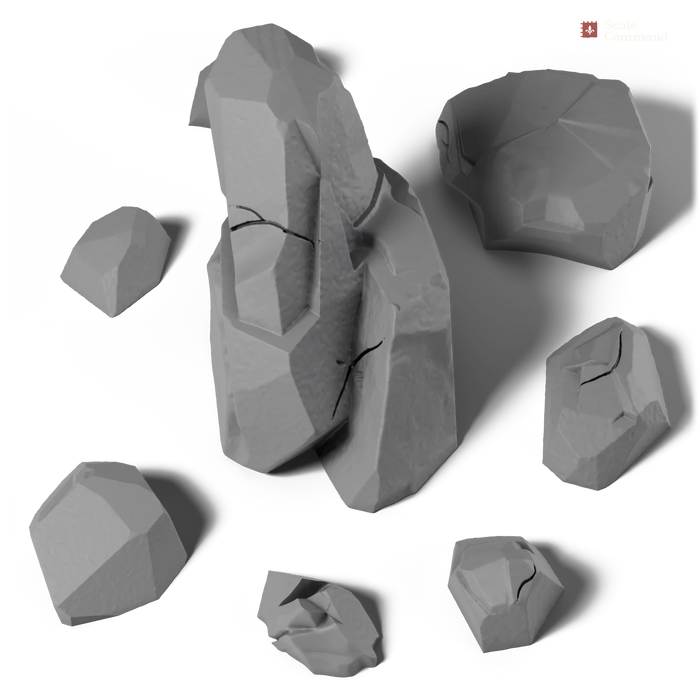
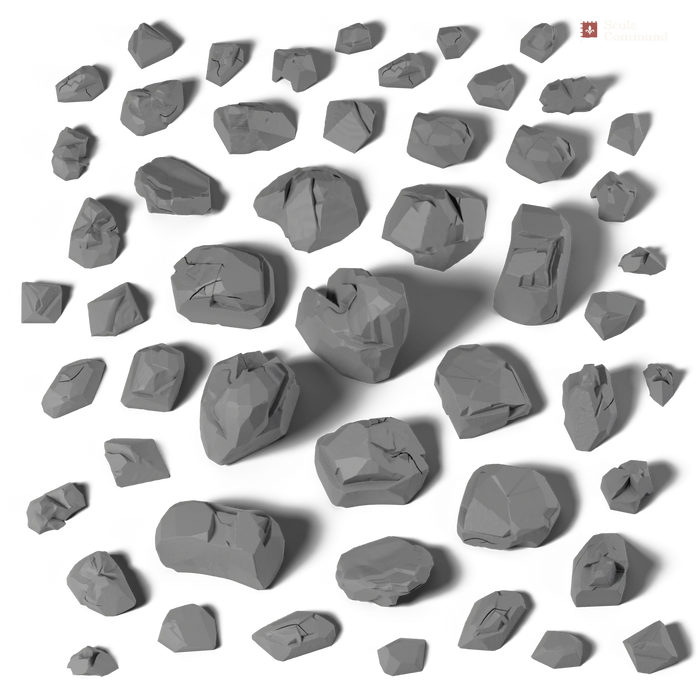
- Keep the ground duller than the figure. Ground that's darker and less saturated than the model pushes the model forward. Our Rock Clump and Small Rock bits drybrushed grey suit almost any army for that reason.
- Save the brightest base colours for small accents. A tuft of yellow flowers, a glowing crystal or a patch of lava draws the eye; a whole base that bright competes with the figure.
Matching ideas by theme are on our woodland, desert and lava basing bits pages, and the full earth-and-rock recipe is in how to base miniatures.
Which paints for base rims?
Any matt acrylic works. These are easy to find and cover in two thin coats:
| Look | The Army Painter | Vallejo |
|---|---|---|
| Black | Matt Black | Black (Model Color) |
| Dark brown | Oak Brown | Beasty Brown (Game Color) |
| Grey | Uniform Grey | Neutral Grey (Model Color) |
| Matched | The basecoat you used on the ground, one shade darker | |
The colour dots are a guide only: paint looks different on every screen.
How do you paint a neat base rim?
-
Paint it last
Do the rim after the ground, the varnish and the tufts. Basecoats, washes and texture always creep over the edge, and the rim covers them in one go. More on the order of work in base first or paint first.
-
Use the side of the brush
Load a medium flat or round brush, lay its side against the rim and turn the base, not the brush. Holding the model on a cork or painting handle makes this much steadier.
-
Two thin coats
Thin the paint a little and give it two coats. One thick coat leaves ridges and runs onto the table side of the base.
-
Tidy the top edge
If the rim colour strays onto the ground, touch it back with the ground colour once the rim is dry. A clean line where ground meets rim is what makes a base look finished.
A last coat of matt varnish over the rim helps it resist chips; sealing the whole base is covered in how to seal a base so it lasts. On lipped bases, paint the lip as part of the rim. On unlipped bases, carry the colour right up to the top edge so there's no bare strip between ground and rim.
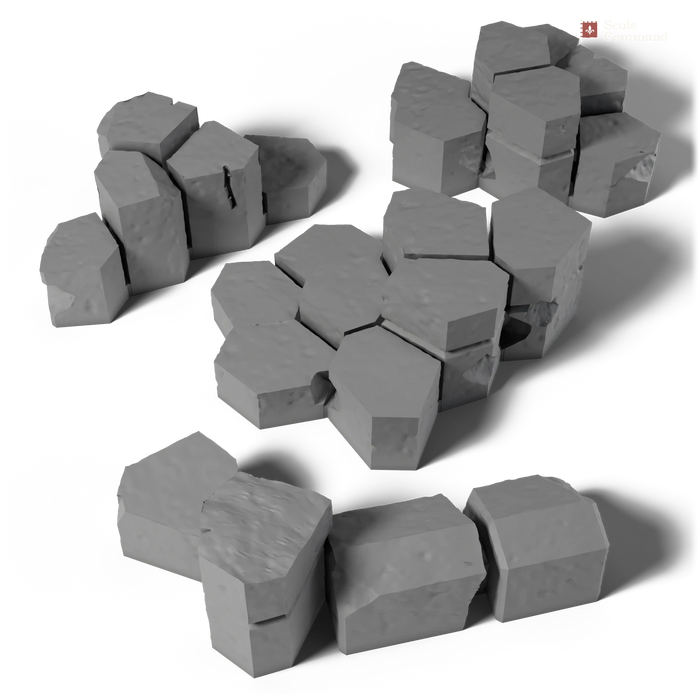
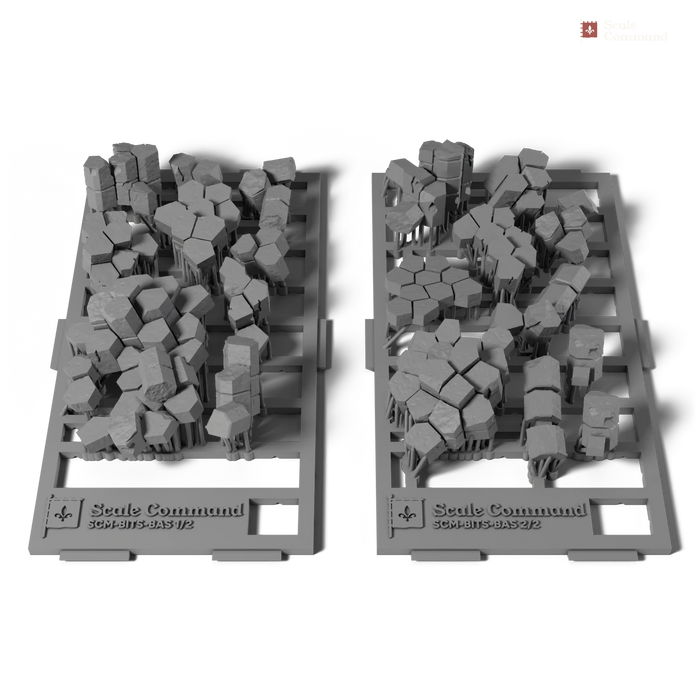
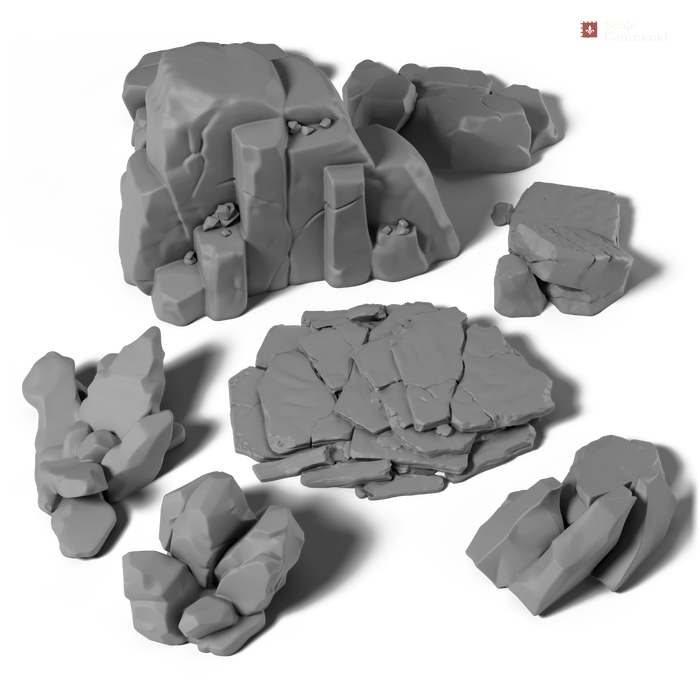
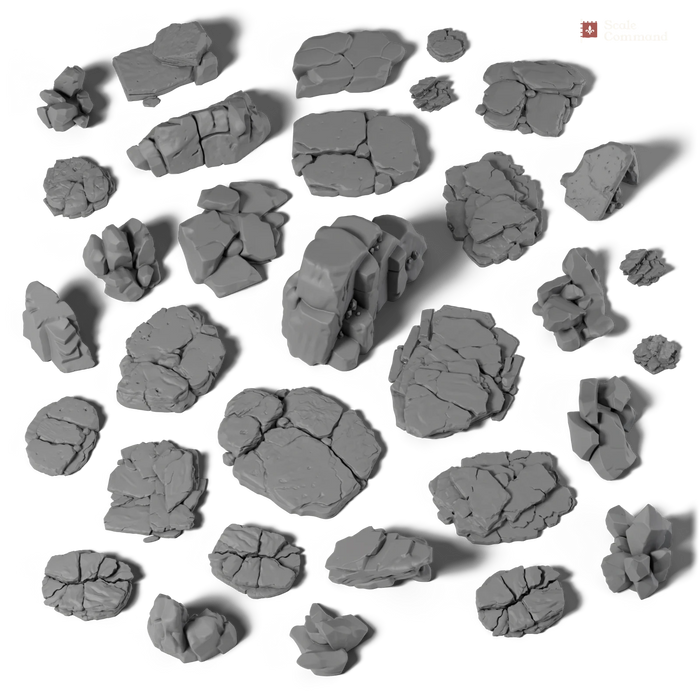
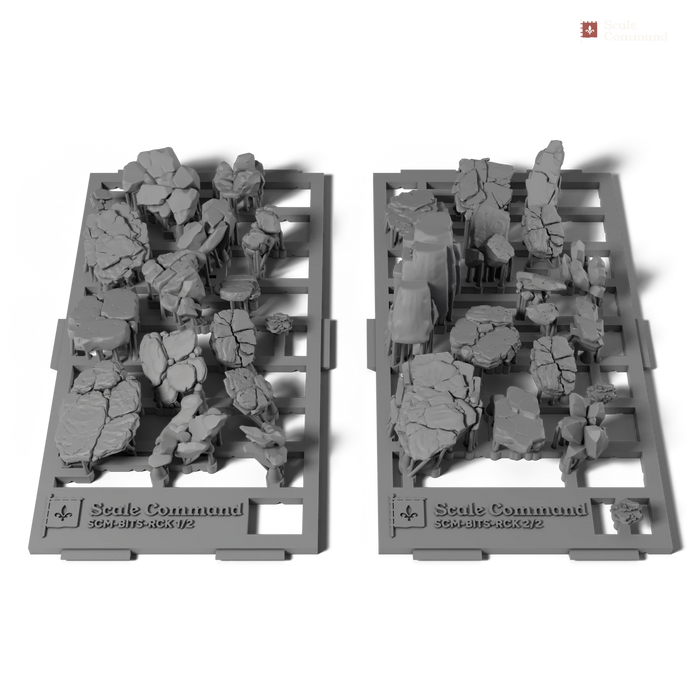
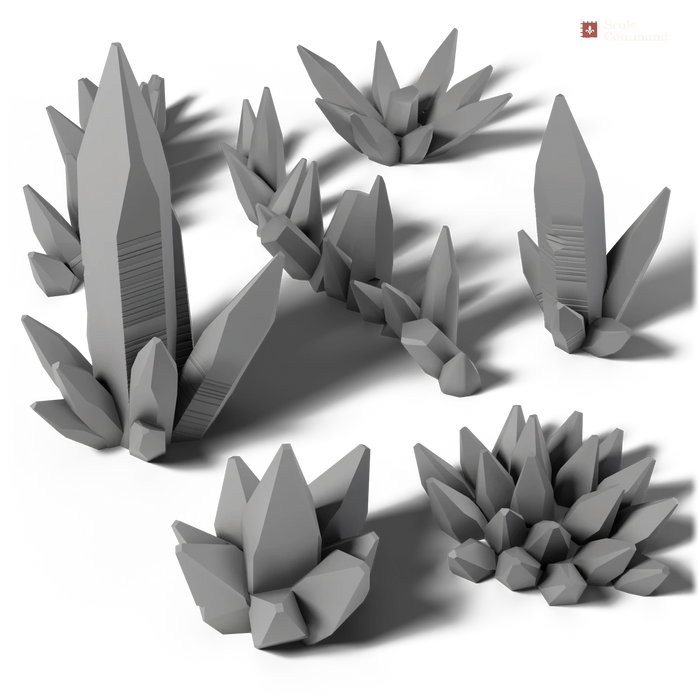
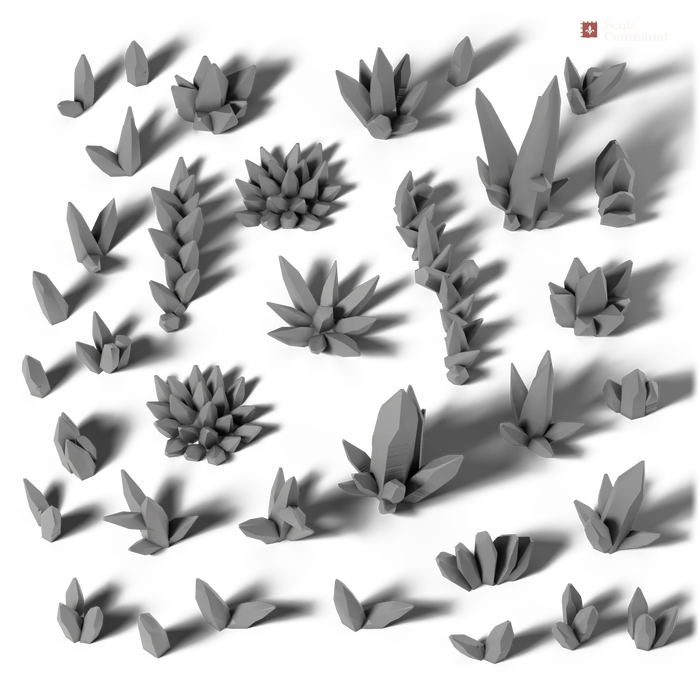
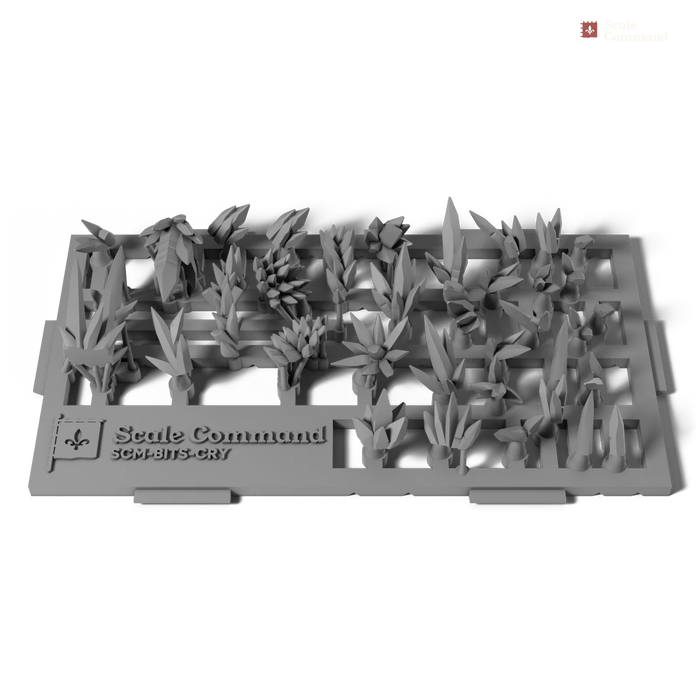
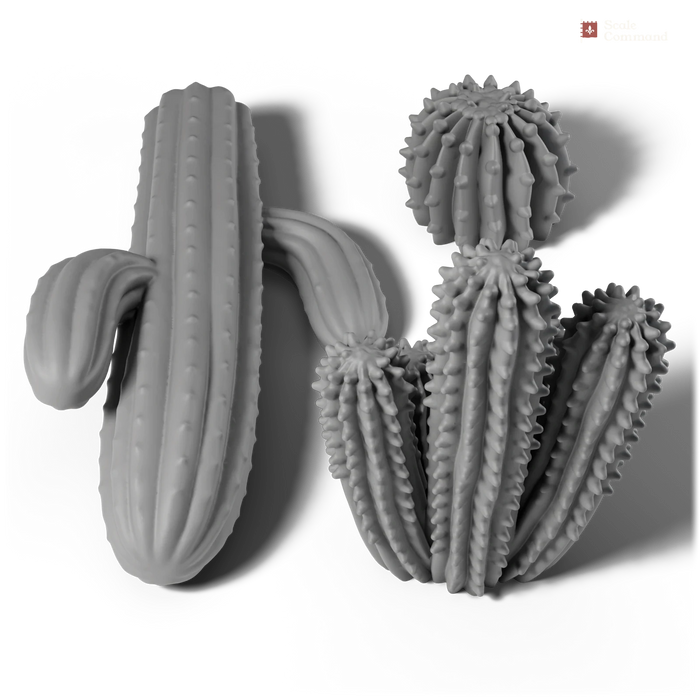
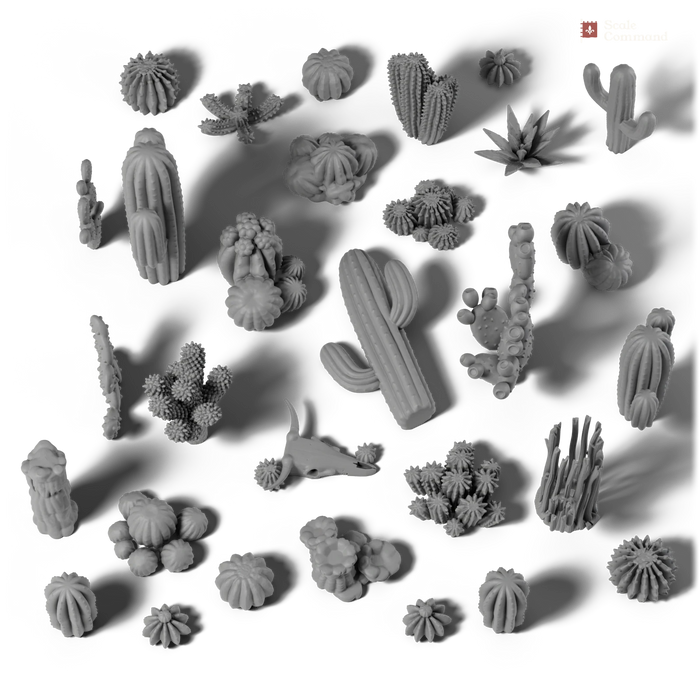
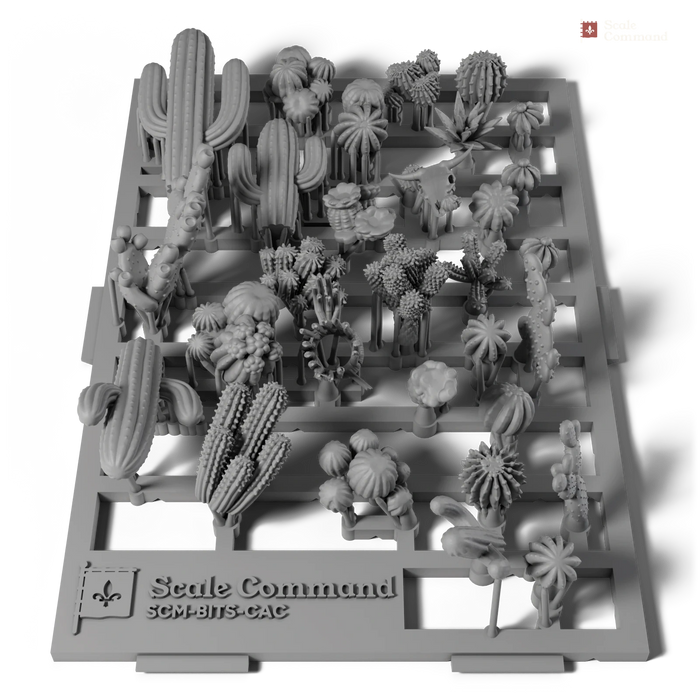
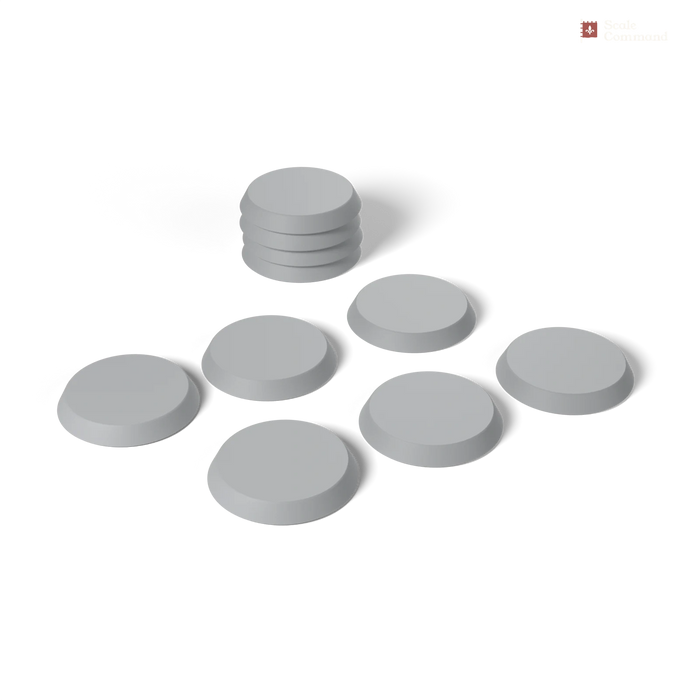
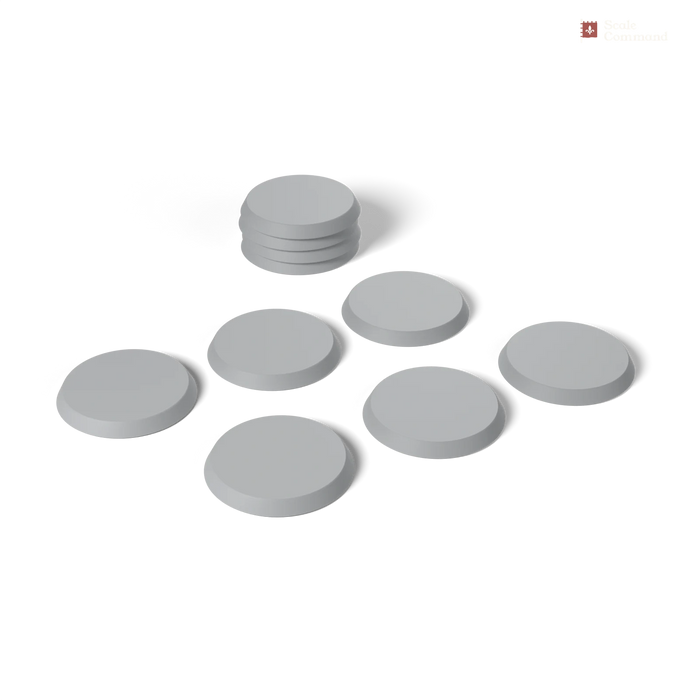
Ground worth framing. Our resin basing bits are made for 28mm bases and printed to order in our Perth workshop, in theme packs for every kind of ground.
See all basing bits-
 New
-
New
-
New
-
New








Questions and answers
- What colour should base rims be?
- Black is the safe default: it frames the model, hides chips and works with any ground. Brown blends the base into a green or brown table, and a rim matched to the ground makes the base look like a slice of terrain. The most important thing is to use the same rim colour across the whole army.
- Why do people paint base rims black?
- Black goes with every colour of ground and model, gives a clear edge where the model ends and makes the colours above it look brighter. A chipped black rim is also quick to touch up. The only place black can look heavy is under very pale ground, like snow or bleached sand.
- Should base rims be black or brown?
- Choose black for a framed, finished look that suits any theme, and brown if you want the army to blend into the battlefield, especially on a green or brown mat. Historical armies often use brown or the ground colour. Pick a muted dark brown so the rim reads as earth, not a painted stripe.
- Should the base rim match the ground colour?
- A matched rim suits strong-coloured themes like desert or lava, and multi-base stands meant to look like a patch of field. The base then looks like terrain cut out of the ground. The downside is that chips and scuffs show more, and the army looks best on a table of that colour.
- How do you paint a base rim neatly?
- Paint the rim last, after the ground and tufts. Lay the side of a medium brush against the rim and turn the base, not the brush, with the model on a cork or handle. Use two thin coats rather than one thick one, then tidy any stray paint on the top edge with the ground colour.
- What base colour makes a miniature stand out?
- Give the ground the opposite temperature to the model: warm figures stand out on cool grey stone, and cool figures on warm earth or sand. Keep the ground darker and less saturated than the figure, and save bright colours like flowers, crystals or lava for small accents so they don't compete with the model.
Shop this article
-
New
-
New
-
New
-
New
-
New
-
New