

Flock, static grass or tufts: what each one does on a base
Flock is a fine scatter that lies flat like short turf or moss, static grass is loose fibres that stand upright when you apply them with static or a puff of air, and tufts are ready-made clumps of grass on a sticky backing that you press on with tweezers. For most 28mm bases, tufts are the easiest way to a good look; static grass covers big areas and small-scale stands fast, and flock suits moss and very small bases.

Updated 6 min readAll scales

On this page
Flock is a fine scatter that lies flat like short turf or moss, static grass is loose fibres that stand upright when you apply them with static or a puff of air, and tufts are ready-made clumps of grass on a sticky backing that you press on with tweezers. For most 28mm bases, tufts are the easiest way to a good look; static grass covers big areas and small-scale stands fast, and flock suits moss and very small bases. Here's what each one does, how each goes on, how to combine them, and who makes them, since we don't sell any of the three.
- Easiest
- Tufts
- Fastest over big areas
- Static grass
- Flattest
- Flock
- When
- Last, after paint and varnish
Flock, static grass or tufts: what's the difference?
People use "flock" loosely for any green stuff on a base, but the three materials behave very differently:
| Flock | Static grass | Tufts | |
|---|---|---|---|
| What it is | Fine dyed scatter, like coloured sawdust or foam crumbs | Short dyed fibres, sold by length in millimetres | Clumps of static grass already glued into a tuft, on a backing sheet |
| How it looks | Flat: lawn, moss, lichen, leaf litter | Upright: a meadow or a field | Upright clumps: wild grass, reeds, flowers |
| How it goes on | Sprinkle onto PVA, tip off the spare | Sprinkle onto PVA, then make the fibres stand with an applicator or a puffer | A dab of glue, then press each tuft on with tweezers |
| Tools needed | None | A static grass applicator for the best result | Tweezers |
| Best for | 10mm and 15mm stands, moss on rocks, under other layers | Covering whole bases, units and terrain quickly | 28mm bases, characters, accents |
| Watch out for | Looks like a carpet if used alone on big bases | Lies flat if applied without static | Too many in a neat pattern looks planted |
What is flock?
Strictly, flock is a fine scatter, dyed green, brown or yellow: ground foam or sawdust-style material that lies flat wherever it lands. Model railway brands often call it turf or scatter. On its own it gives a short, even lawn, which at 10mm and 15mm reads perfectly well as grass, because the figures are so small. At 28mm, a whole base of flock tends to look like carpet, so it's best used in patches: moss in the cracks of rocks, a darker layer under static grass, or leaf litter round a tree stump.
To apply it, brush PVA onto the painted ground where you want it, sprinkle the flock on generously, press it down lightly and tip the spare back into the pot once the glue has grabbed.
What is static grass?
Static grass is chopped fibre, sold in lengths from about 1 mm to well over 6 mm. When the fibres are charged with static, they stand on end as they land in the glue, so you get a field of upright grass rather than a flat mat. A static grass applicator does the charging: a handheld tool with a mesh sieve that you shake over the glued base. A puffer bottle, which blows the fibres out with a squeeze, makes them stand a bit, and is cheap, but the result is less upright.
As a starting point, 1–2 mm suits 10mm and 15mm stands, 2–4 mm suits 28mm bases, and 6 mm or more works for long wild grass and terrain. Mixing two colours or two lengths in the same pass looks more natural than one flat green.
What are grass tufts?
Tufts are static grass that someone else has already stood up and glued into clumps. They come on a sheet with a release backing; you peel one off with tweezers, touch it to a dab of PVA or superglue on the base and press it down for a few seconds. They come in different heights, shapes and colours, from short green clumps to tall dry grass, reeds, and tufts with tiny flowers in them.
Tufts are the easiest of the three for 28mm, because each one goes exactly where you put it and nothing gets on the figure. They're what you'll see on our own painted bases:


Which looks better on a base?
For 28mm single bases, tufts usually look best for the least effort: two or three per base, in odd numbers, in different heights and one or two colours. For a whole unit or a terrain board, static grass with an applicator covers the ground evenly and quickly, and you can add a few tufts on top for height. At 10mm and 15mm, a scatter of flock or short static grass in patches is all a stand needs (see how to base 10mm and 15mm armies on multi-bases).
Whichever you pick, leave plenty of bare, painted ground showing. Real ground is patchy: grass grows against rocks, stumps and edges, not in a neat lawn over everything.
How to combine flock, static grass and tufts
The best bases use more than one material, in layers from flat to tall:
-
Paint and varnish the ground
All ground cover goes on last, after the ground is painted and any matt varnish is dry, because varnish flattens fibres and makes them shiny. The order of work is in base first or paint first.
-
Flock in the low spots
A dark green or brown flock in the dips and against the rocks, like moss.
-
Static grass in patches
Short static grass over part of the ground, not all of it.
-
Tufts for height
One or two tall tufts against a rock, a stump or the base edge.
-
Plants and details
Ferns, mushrooms, branches or flowers to finish, glued in among the grass.
What we sell that goes with them
We don't make grass, but we do make the sculpted plants and pieces that grass grows round. These are our resin basing bits, made for 28mm bases and printed to order in our Perth workshop:
- Ferns & Plants: 59 pieces in 30 designs, from flat leafy ground cover, rosettes and ivy to upright ferns up to about 17 mm tall. They do what tufts can't: broad leaves and fronds.
- Mushroom: 41 pieces in 29 designs, from tiny puffballs to toadstools about 15 mm tall, to sit in the grass at the foot of a stump.
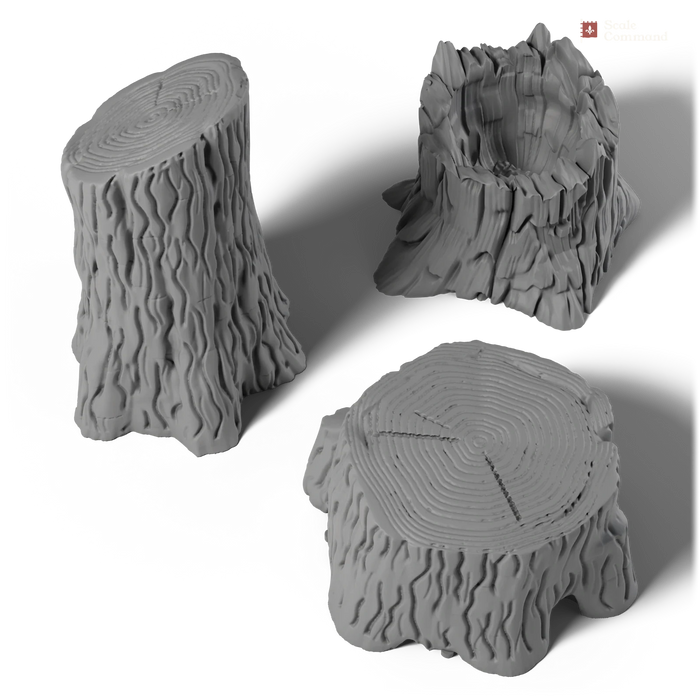
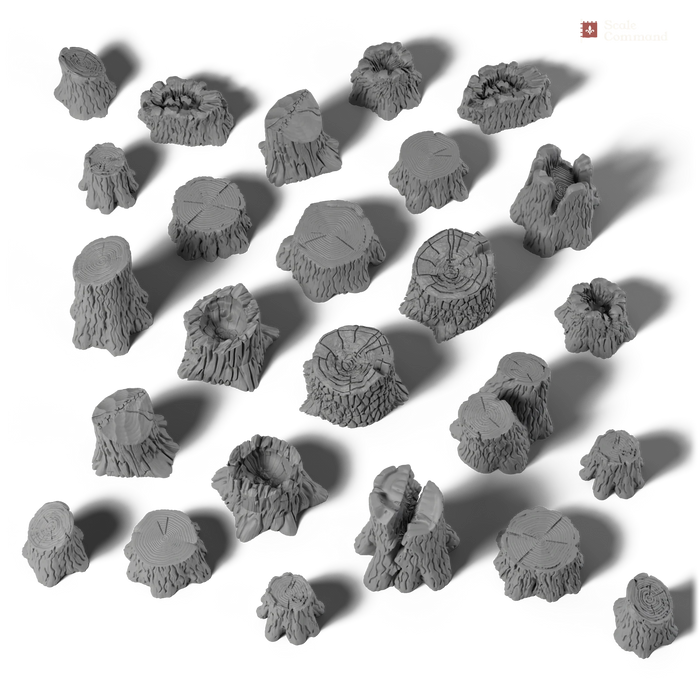
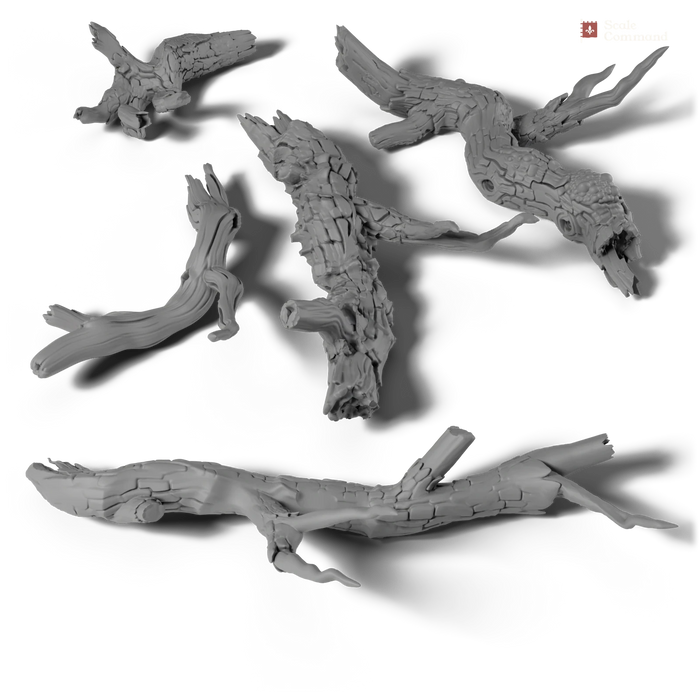
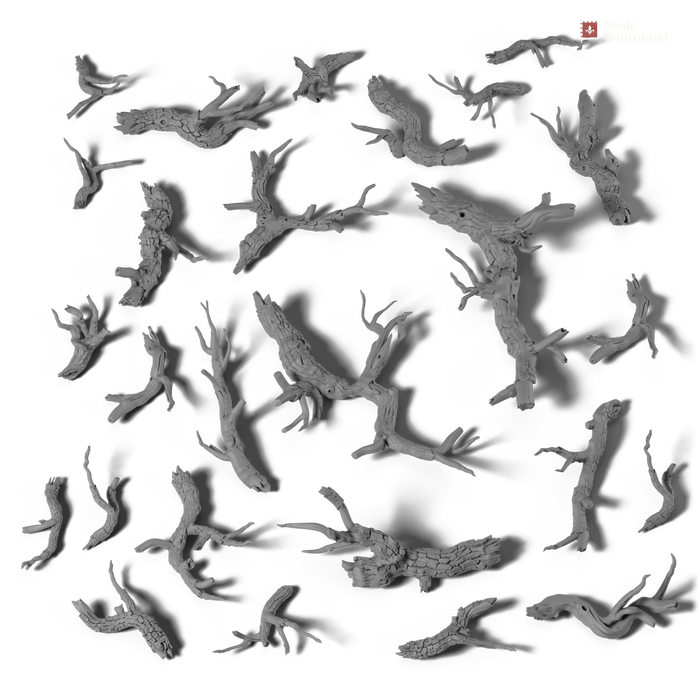
- Tree Stump and Gnarled Branch: something for the grass and moss to gather round.
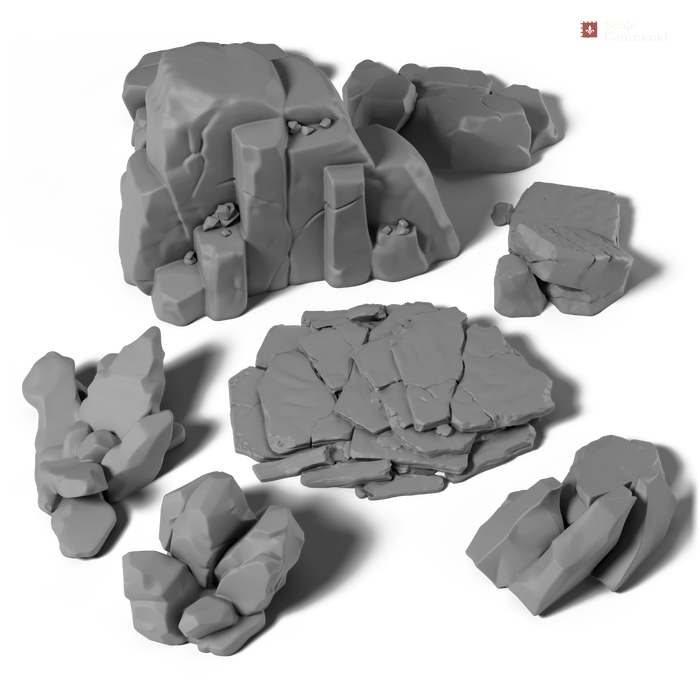
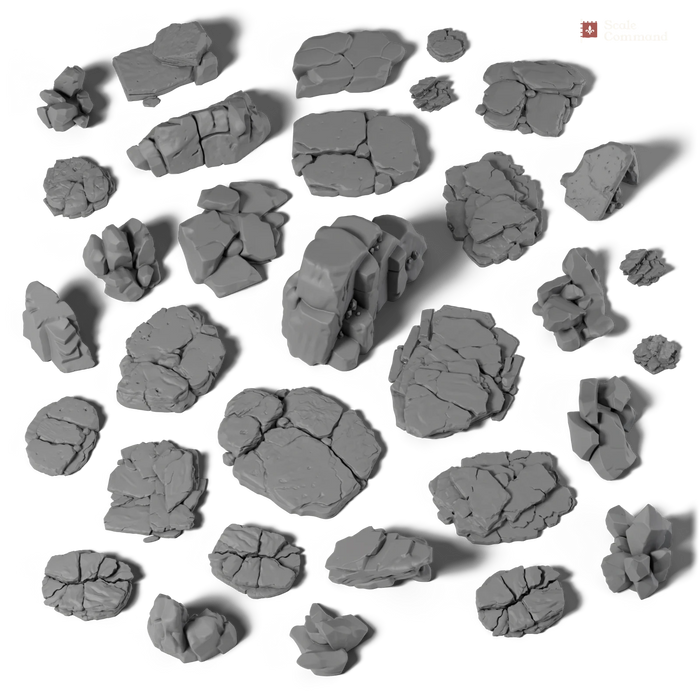
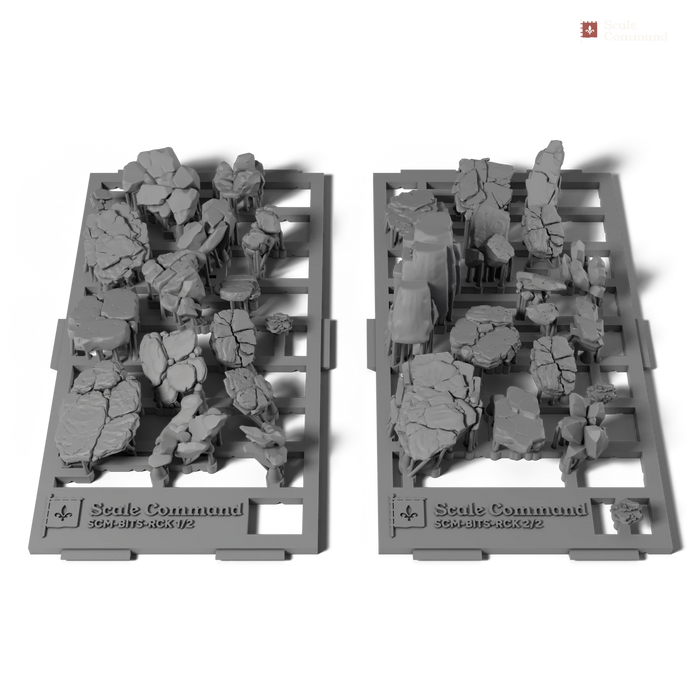
- Rock Clump and Small Rock: a rock with a tuft against it is the classic 28mm base.
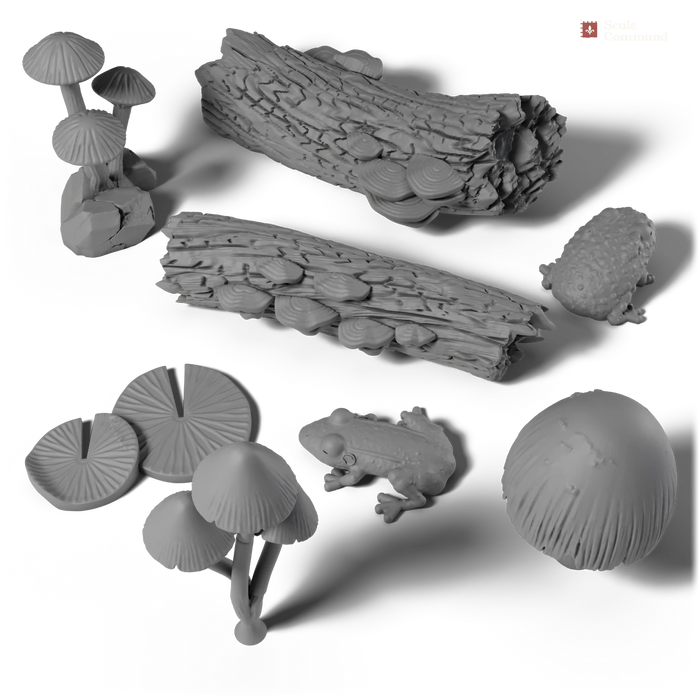
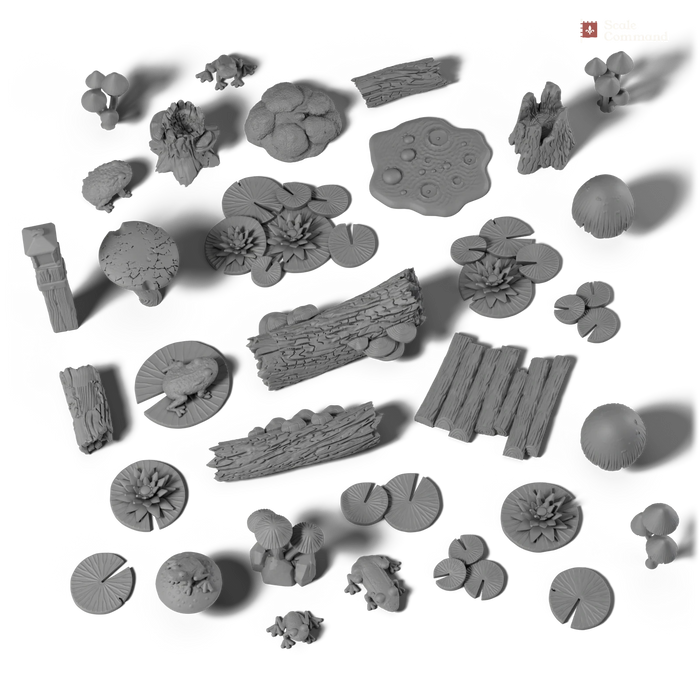
- Swamp & Bog: moss hummocks, lily pads and a sunken log for wet ground with reed-like tufts.


For whole looks, see our woodland, swamp and fantasy basing bits.
Which brands of tufts and static grass do people use?
We don't sell flock, static grass or tufts, so here are makers that hobbyists widely use. Each has its own range of colours and lengths, so pick the ones that match your ground:
- Gamers Grass: a big range of tufts, flower tufts and static grass, made for wargaming bases.
- The Army Painter: tufts, static grass and basing materials alongside its paints.
- Green Stuff World: tufts, static grass, flock-style scatter and static grass applicators.
- Woodland Scenics: a model railway brand with turf (flock), static grass and applicators.
- Other model railway brands, such as Noch, make static grass and applicators in railway-sized packs. In Australia, a local model railway shop is a good place to see colours in person.
The full shopping list for a first basing kit, and where to find it in Australia, is in what you need to start basing miniatures.
Rocks, stumps and plants are where our basing bits come in, and the earth-and-rock ground underneath is in our basing guide.
The plants that tufts can't do. Ferns, broad leaves, mushrooms and stumps in resin, for 28mm bases, to glue in among your grass.
See woodland basing bits-
 New
-
New
-
New
-
New





Questions and answers
- What's the difference between flock and static grass?
- Flock is a fine dyed scatter, like coloured sawdust or foam crumbs, that lies flat and looks like short turf or moss. Static grass is chopped fibre that stands upright when charged with static from an applicator, so it looks like a field of grass. Both go on over PVA glue after the base is painted.
- What are grass tufts for miniatures?
- Tufts are clumps of static grass already stood up and glued together, sold on a backing sheet. Peel one off with tweezers, touch it to a dab of PVA or superglue on the base and press it down. They come in many heights and colours, including dry grass, reeds and tufts with tiny flowers.
- Are tufts or static grass better for 28mm bases?
- Tufts are easier on single 28mm bases: two or three per base, in odd numbers and mixed heights, go exactly where you want them with no mess. Static grass with an applicator is faster for whole units and terrain. The two also work together: short static grass in patches and a tall tuft or two for height.
- Do you need an applicator for static grass?
- For the best result, yes. A static grass applicator charges the fibres so they stand upright as they land in the glue. A puffer bottle is a cheaper option that makes the fibres stand a little. Sprinkled straight from the bag, static grass mostly lies flat, much like flock.
- Which brand of tufts and static grass is best?
- Gamers Grass, The Army Painter and Green Stuff World all make tufts and static grass for wargaming, and model railway brands like Woodland Scenics and Noch make flock, static grass and applicators. Colour matters more than brand: choose tufts that suit your ground. We make resin ferns, mushrooms and stumps to go with them.
- What length of static grass for 28mm miniatures?
- Static grass of 2 to 4 mm suits most 28mm bases, with 6 mm or longer for wild, overgrown grass. For 10mm and 15mm stands, 1 to 2 mm keeps the grass in scale with the figures. Mixing two lengths or two colours in one application looks more natural than a single flat green.
Shop this article
-
New
-
New
-
New
-
New
-
New
-
New